The Tangata Manu, or “Birdman” religion, emerged as a dramatic shift in Rapa Nui society, replacing the era of Moai building. It was a fascinating transition from a culture centered on ancestor worship to one focused on a competitive, merit-based system of leadership.
The Rise of the Cult
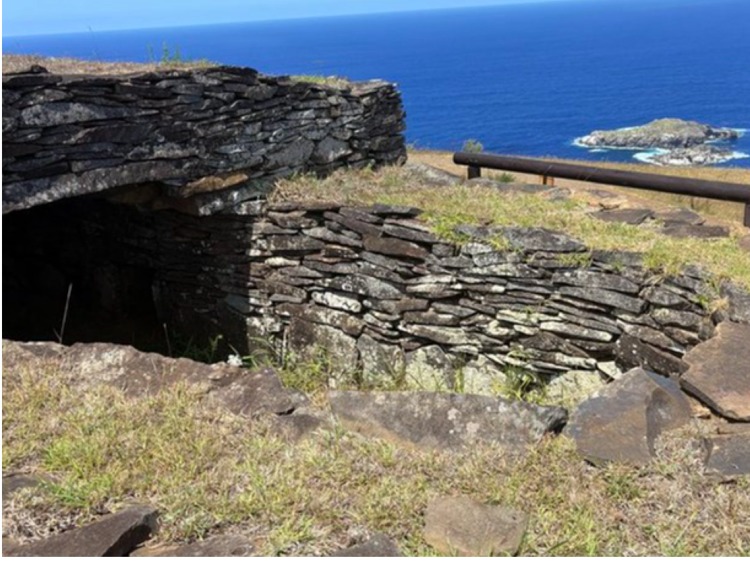
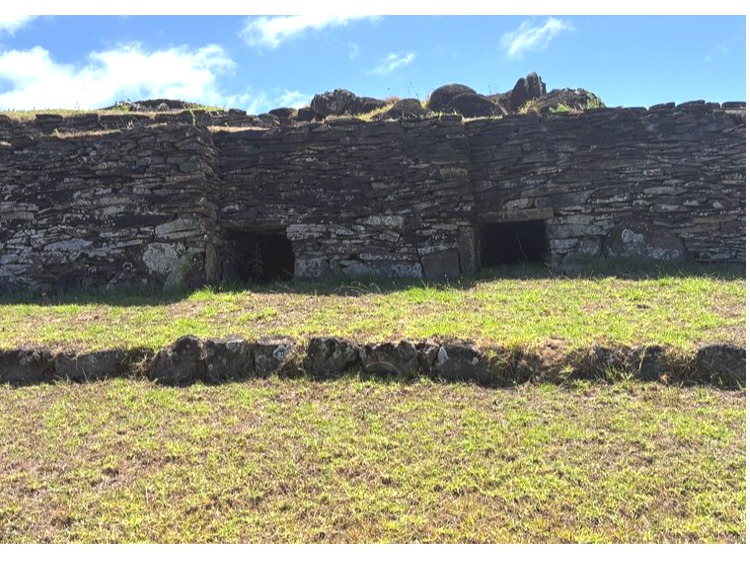
By the late 16th and early 17th centuries, Rapa Nui faced severe environmental challenges, including deforestation and dwindling resources. This led to social unrest and the eventual abandonment of the Moai culture. In its place, the Birdman religion rose to prominence, centered at the sacred stone village of Orongo, perched on the rim of the Rano Kau volcano.
The Competition
The core of the religion was an annual endurance race held to determine which clan would rule the island for the following year.
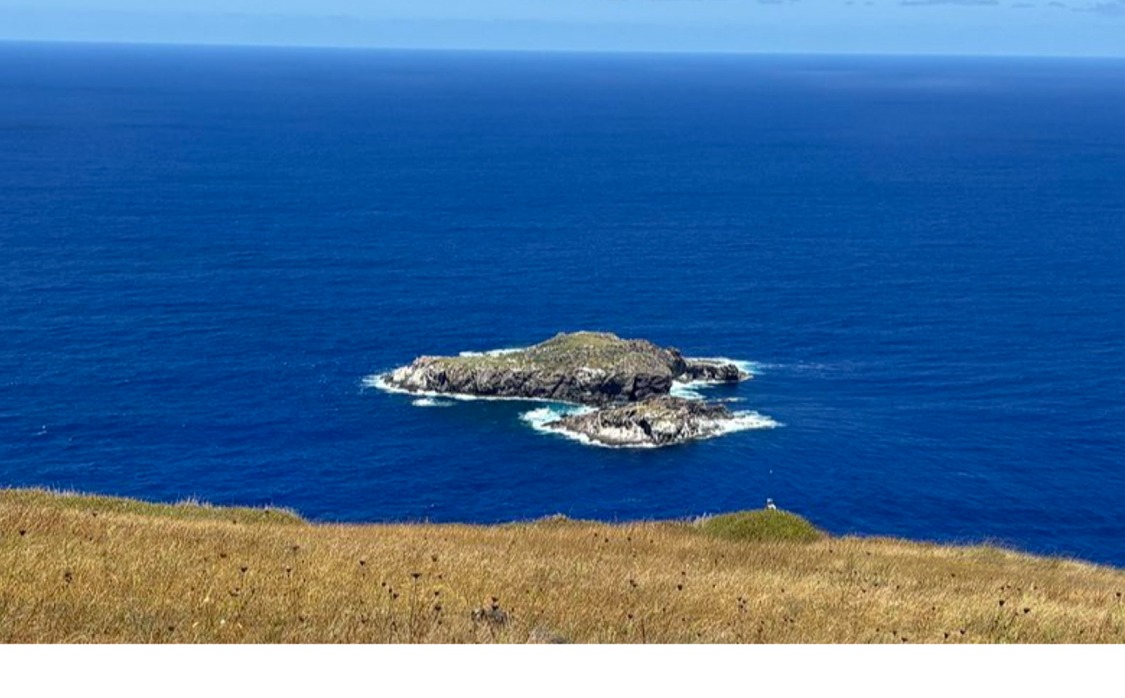
- The Goal: To retrieve the first egg of the Manutara (Sooty Tern) from the tiny islet of Motu Nui, about a mile offshore.
- The Hopu: High-ranking chiefs didn’t usually compete themselves. Instead, they chose a representative called a hopu to perform the dangerous task.
- The Perils: Competitors had to climb down a 1,000-foot sea cliff, swim through shark-infested waters on reed floats, wait for weeks for the birds to nest, and then swim back with an intact egg tied to their forehead.
The Winner’s Reward
The first hopu to return the egg to his chief would shout across the water to announce the victory.
- The Tangata Manu: The winning chief was declared the “Birdman” for the year. He was considered sacred and lived in seclusion, growing his nails long and wearing a special headdress.
- Political Power: Most importantly, his clan gained primary control over the island’s resources (like food and obsidian) for that year.
Artistic Legacy: Petroglyphs
While the Moai represented the old way of life, the Birdman cult left its mark through petroglyphs (rock carvings). At Orongo, you can still see hundreds of carvings depicting a figure with a human body and a bird’s head, often holding an egg. These carvings are some of the most intricate examples of Polynesian rock art.