
If Aruba is the popular cheerleader of the ABC islands, Curaçao is her artistic, slightly mysterious sister. With its candy-colored Dutch architecture, hidden cove beaches, and a desert landscape that feels like another planet, Curaçao offers a deeper, more rugged Caribbean experience.
Whether you’re wandering the UNESCO-listed streets of Willemstad or diving into the “Blue Room” cave, here is everything you need to know for your adventure.
Willemstad: A European Capital in the Tropics
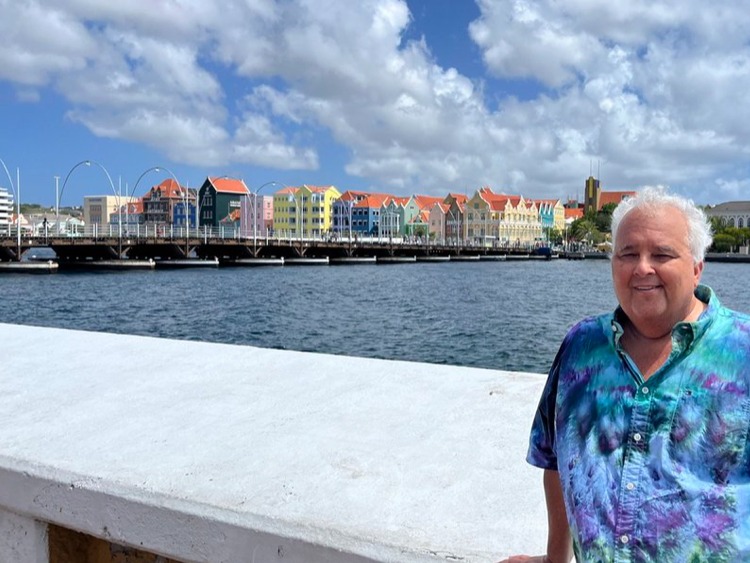
The capital city, Willemstad, is split into two main districts by the Queen Emma Bridge (affectionately known as the “Swinging Old Lady”).
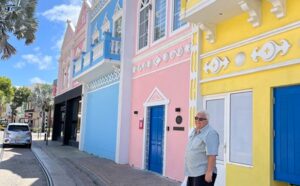
Punda: This is where you’ll find the iconic Handelskade—the row of bright, pastel-colored buildings that line the harbor. Don’t miss the Mikvé Israel-Emanuel Synagogue, the oldest continuously used synagogue in the Americas, featuring a unique sand-covered floor.
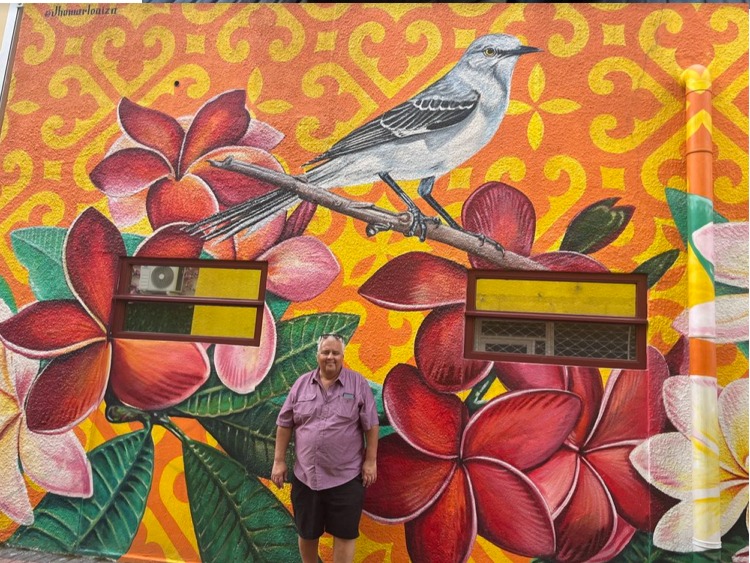
Otrobanda: Meaning “The Other Side,” this district is a maze of winding alleys and incredible street art. Visit the Kura Hulanda Museum for a moving look at the island’s history and the transatlantic slave trade.
The “Westpunt” Beach Hop
While Aruba has long, flat beaches, Curaçao is famous for its Kenepas (coves). Rent a car and head to the west side for the best water on the island.
Grote Knip: The “Big” Knip is the island’s superstar. The water is a shade of neon blue that doesn’t even look real.
Playa Lagun: A narrow cove wedged between high cliffs. It’s one of the best spots to snorkel with sea turtles and large schools of silver fish.
Cas Abao: A more traditional “resort-style” beach with white sand and full facilities, perfect for a lazy afternoon.
The Blue Room: An underwater cave near Santa Cruz. You have to swim slightly underwater to enter, but once inside, the reflection of the light creates an ethereal, glowing blue world.
Eat Like a “Yubi di Kòrsou” (Child of Curaçao)
Curaçaoan food is a hearty, flavorful blend of Afro-Caribbean and Dutch roots.
Marshe Bieu (Old Market): Head here in Punda for lunch. It’s an open-air hall where local women cook over coal fires. Order the Kabritu Stoba (goat stew) or Keshi Yena (stuffed cheese ball).
Truk’i Pan: These “bread trucks” open late at night (usually after 9:00 PM) along the roadsides. Try the grilled steak or chicken with “pika” (onion and pepper sauce).
Kome: Located in the trendy Pietermaai district, this spot offers a modern twist on island flavors. The name literally means “Eat” in Papiamentu.
Travel Tips
Language: Locals speak Papiamentu, a beautiful blend of Portuguese, Spanish, Dutch, and African languages. A simple “Bon dia” (Good morning) or “Danki” (Thank you) goes a long way.
Transportation: Unlike Aruba, you must rent a car in Curaçao. The best gems are tucked away on the western tip of the island, far from the main hotel zones.
Sustainability: Help protect the reefs by using reef-safe sunscreen. Many shops on the island now stock local brands that are free of harmful chemicals.
The Tap Water: Just like Aruba, the tap water is distilled from the sea and is perfectly safe (and delicious) to drink!

Pingback: HAL ms Rotterdam – Silver Haired Gypsies