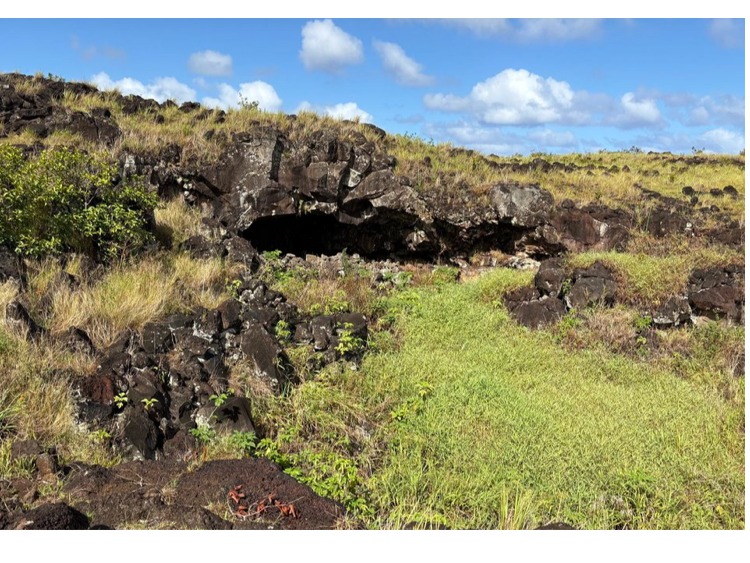
The lava tubes on Rapa Nui are a fascinating contrast to the giant statues on the surface. While the Moai represented the public and spiritual face of the island, the caves—formed by ancient volcanic activity—became essential for survival and secret rituals.
Because the island is volcanic, as lava cooled, the outer crust hardened while the molten rock inside continued to flow out, leaving behind a network of subterranean tunnels.
Natural Shelters and Gardens
When the island’s forests disappeared and resources became scarce, the Rapa Nui people moved much of their life underground.
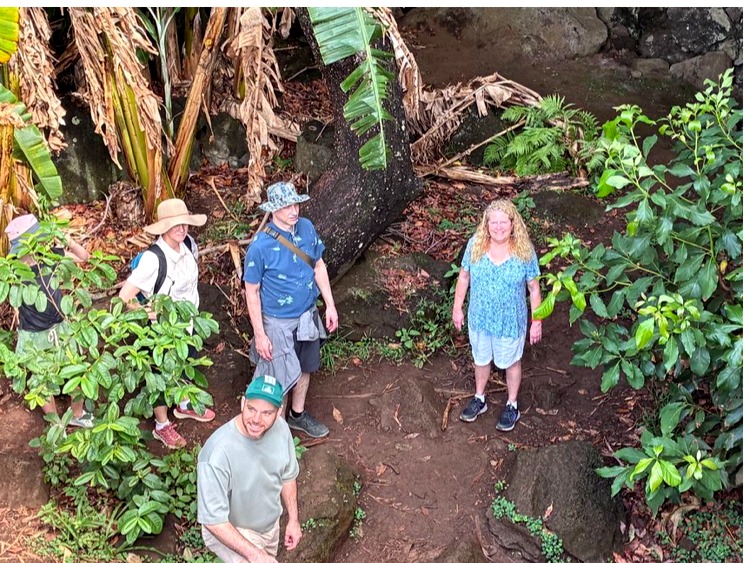
- Ana Te Pahu: This is the largest cave system on the island. It is often called the “Banana Cave” because the collapsed ceilings created natural skylights. These openings allowed rain to enter and protected plants from the wind, turning the cave floor into a lush, subterranean garden for bananas, taro, and sweet potatoes.
- Living Quarters: The caves provided a steady temperature and protection from the elements. You can still see “manavai” (stone circles) at the entrances designed to protect crops and manage water.
Defensive Fortresses
During the era of tribal warfare—the same period that saw the rise of the Birdman religion—lava tubes were used as bunkers.
- Ana Kakenga: Also known as the “Cave of Two Windows,” this tube is famous for its narrow entrance (often hidden for defense) that opens up into two spectacular “windows” on the face of a high sea cliff.
- Ana Te Pora: This cave was used primarily as a shelter and “ana kionga” (refuge cave). It features a stone bed and a very narrow entrance that could be easily defended against rival clans.
Spiritual and Burial Sites
The caves weren’t just for the living; they were deeply connected to the “mana” (spiritual power) of the island.
- Many lava tubes served as ossuaries (sites for human remains).
- Small, secluded chambers were used by priests or healers for rituals.
- The transition from the bright, open quarry at Rano Raraku to the dark, cramped silence of the caves reflects the dramatic shift in Rapa Nui’s history from a time of monument-building to a time of survival.
Exploration and Access
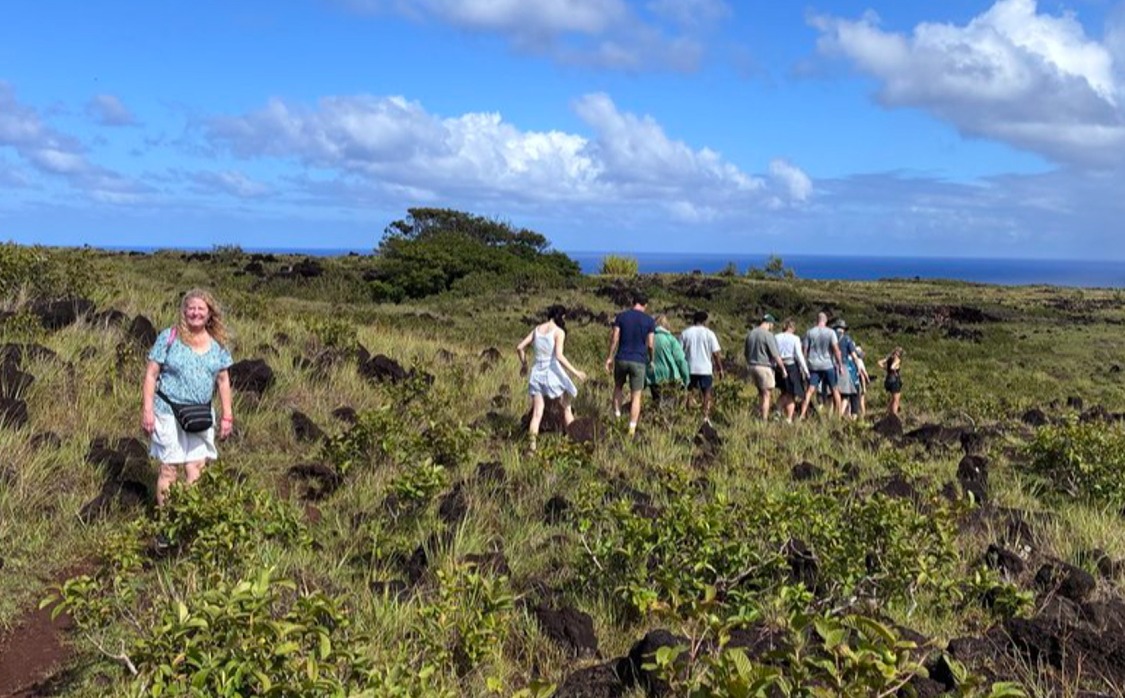
Walking across the fields and arriving at places where the lava tube ceilings had collapsed, revealing the cave below reminded me of the Cave of Caerbannog from Monty Python and the Holy Grail. Today, many of these tubes are accessible, though they require a guide and a bit of a scramble. Unlike the wide-open paths around the Moai, the caves are often damp, dark, and require navigating narrow “squeeze” points before opening into massive galleries.