Standing on the edge of a volcanic coastline, thousands of miles from the nearest continent, you feel the weight of history in the salt air. Easter Island, or Rapa Nui, is one of the most remote inhabited places on Earth, and it offers an experience that feels less like a vacation and more like a pilgrimage into the unknown. Getting there is half the battle, it is a 5-hour flight from Santiago, Chile, to the middle of the Pacific Ocean.
If you are planning a journey to this Chilean territory, here is how to capture the spirit of the island. Taking a few minutes to research the destination before will greatly increase your overall experience.
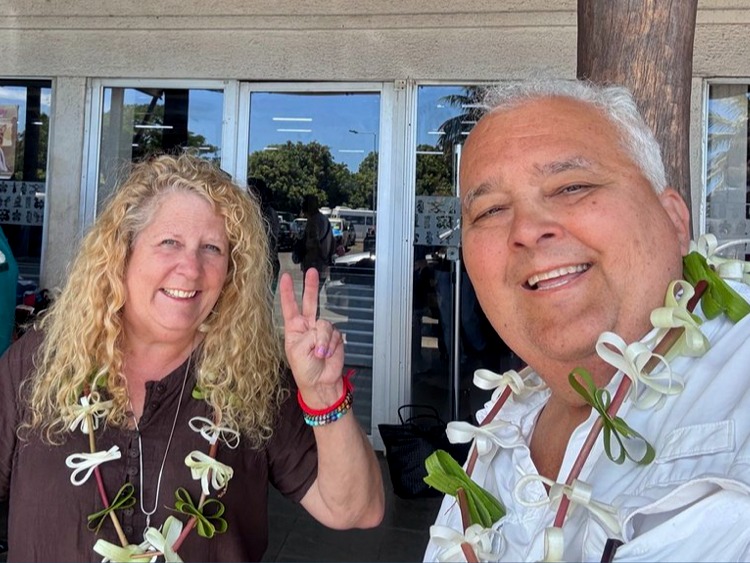
- Pre-Trip Planning
- Lodging – there is a wide range of hotels, AirBnBs, or hostels on the island. Read the reviews! Online pictures DO NOT represent the actual room. (Air conditioning in our room was an oscillating fan)
- Park Pass – get your Rapa Nui National Park pass before arriving on the island.
- Tour Companies – While you can “just wing it”, most of the important sites require visitors to be accompanied by a licensed guide.
Arrange your tours ahead of time, research your tour company and make sure the tour route is where you want to go. (We used Rapa Nui Dream)
The Silent Sentinels: The Moai
The primary reason most travelers make the long trek across the Pacific is to stand in the presence of the Moai. These monolithic statues are more than just archaeological wonders; they are the living faces of ancestors. Easter Island is a place that demands you slow down. Whether you are peering through a camera lens or simply sitting on a basalt cliffside, the island forces a sense of perspective on the scale of time and the resilience of human ingenuity.
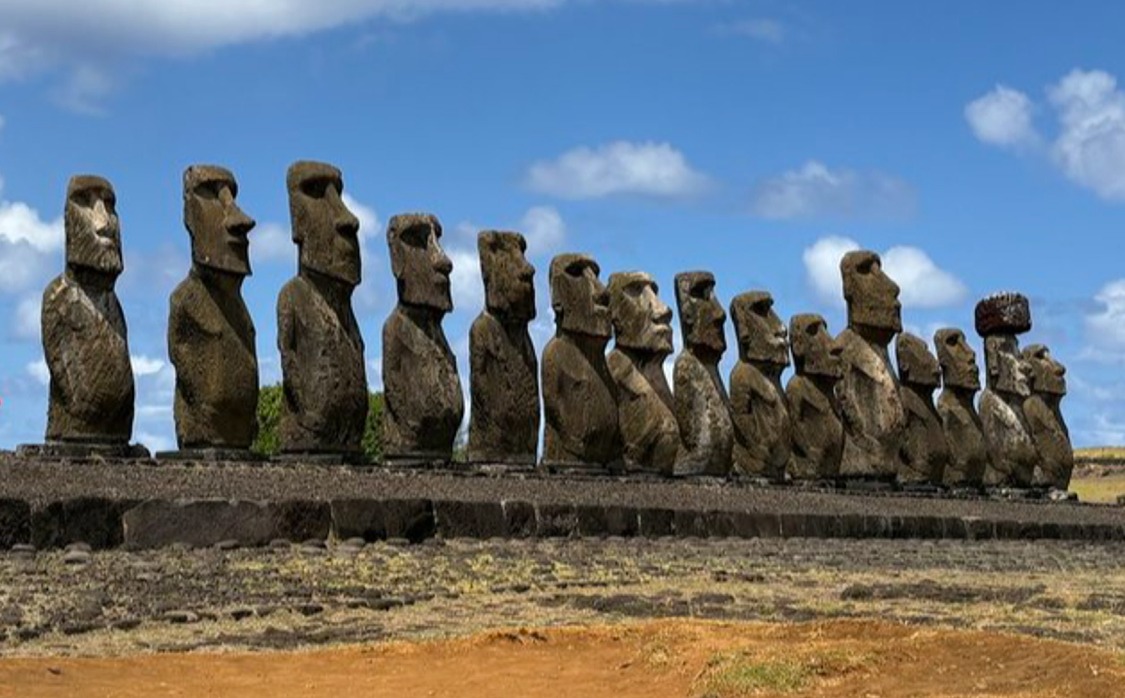
We had come to this remote place to see and learn about the Moai, and we were not disappointed. There are over 800 Moai on the island, about 70% of those have toppled over and are on the ground. On our first full day tour, we visited several of the sights where fallen Moai had been restored to their pedestals or Ahu
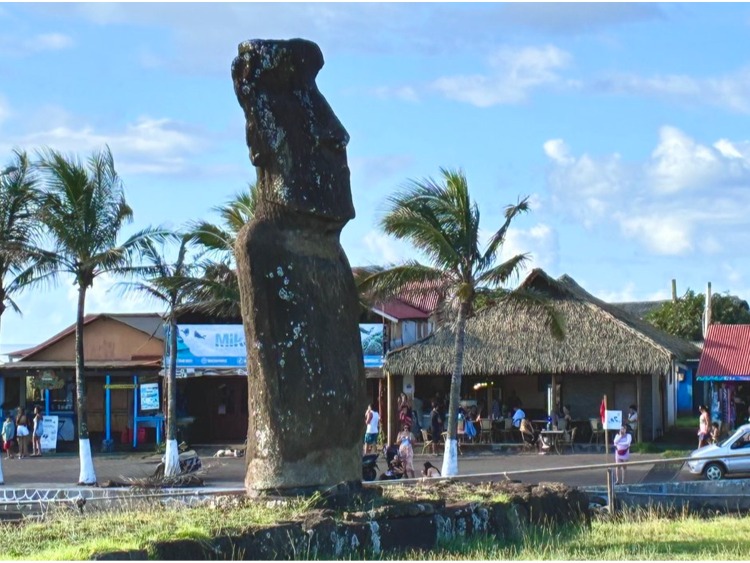
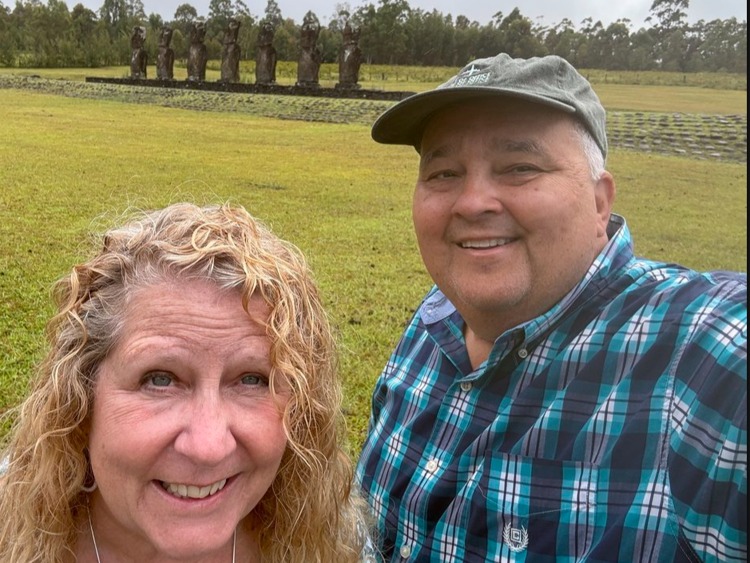
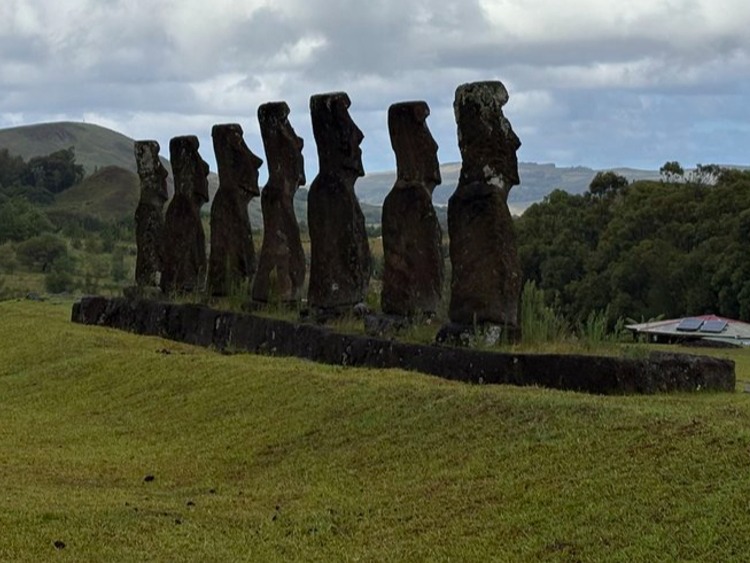
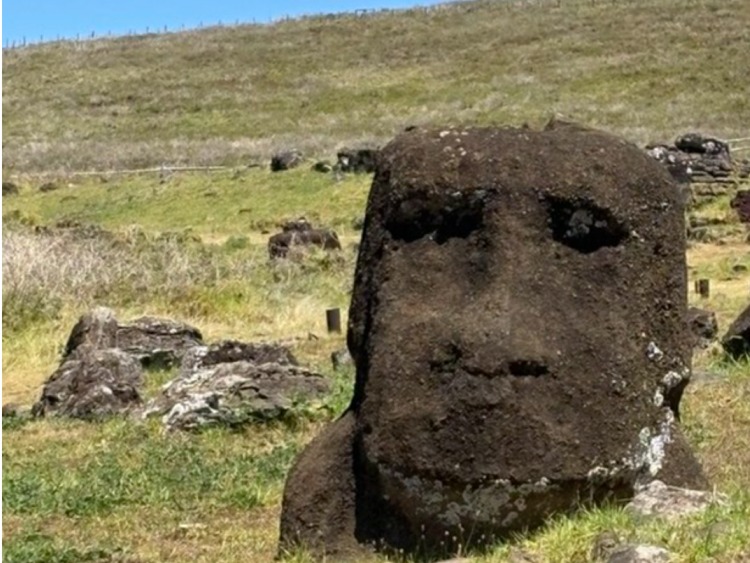
The statues were carved by the Rapa Nui people between roughly 1250 and 1500 CE. These people were master navigators and engineers who settled on the island after traveling across the Pacific.
What Do They Represent?
While they are often called “Easter Island Heads,” the Moai are actually full-bodied figures (often buried up to their chests by centuries of shifting soil).
- Ancestors: They are believed to represent the living faces of deified ancestors.
- Protection: Most Moai face inland, looking over the villages and the people, rather than out to sea. This was likely intended to project a “mana” (spiritual power) to protect the community.