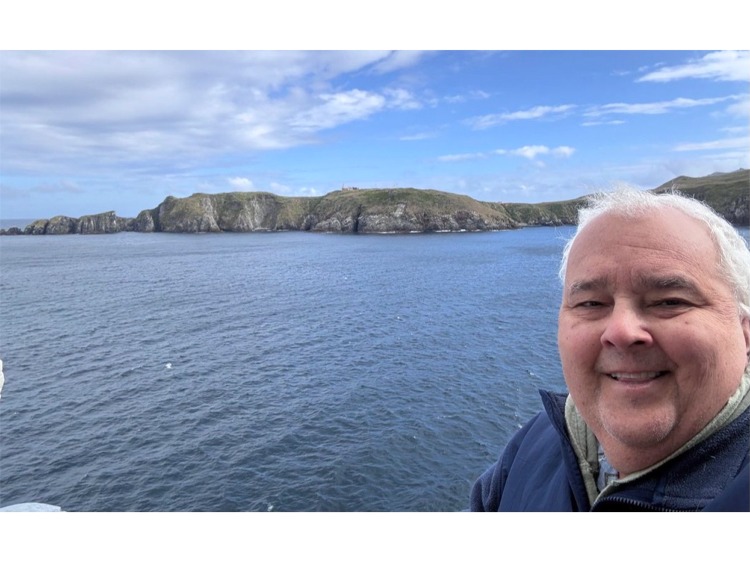
Of all the milestones on our South American journey, none carries the historical weight of Cape Horn. This jagged rocky point on Hornos Island, part of Chile’s Tierra del Fuego archipelago, is a place where maritime legends—and tragedies—were born. Before the Panama Canal opened in 1914 and forever altered global trade, this was the gauntlet every ship had to run to reach the Far East.
The Albatross Monument
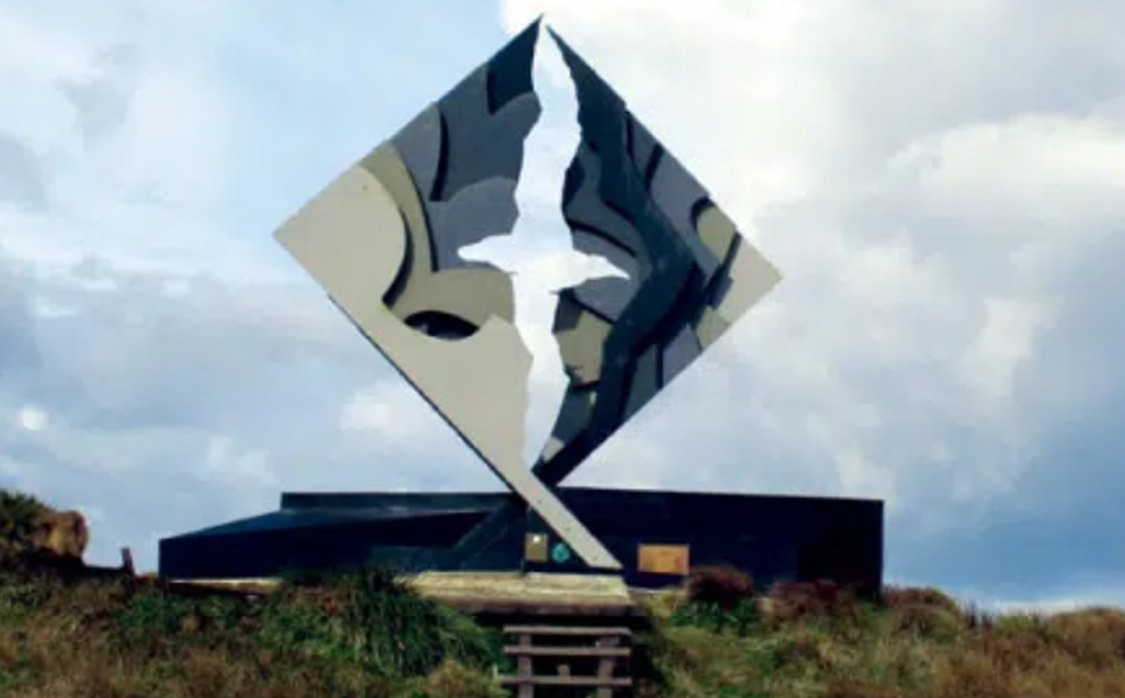
The silhouette you mentioned is perhaps the most famous landmark in the region. Designed by Chilean sculptor José Balcells Eyquem, the monument is clever: the “negative space” between the two steel plates forms the shape of a wandering albatross in flight.
- The Legend: According to maritime lore, the albatrosses circling the Cape are the souls of the sailors who perished in these waters.
- The Poem: At the base, there is a famous poem by Sara Vial that captures the spirit of the place perfectly:
- “I am the albatross that awaits you at the end of the world… I am the forgotten soul of the dead sailors who crossed Cape Horn from all the seas of the world.”
Life at the Lighthouse
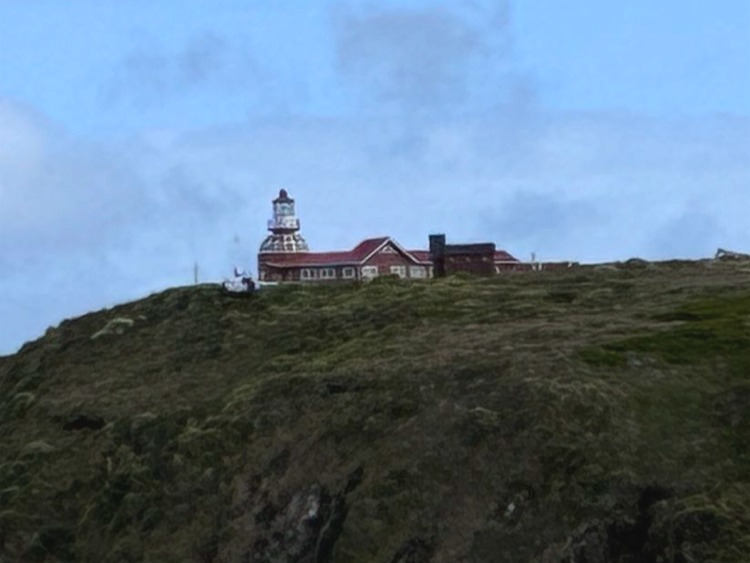
A family —usually a member of the Chilean Navy and their spouse and children—truly defines “remote living.” They are the guardians of the world’s southernmost lighthouse (not counting the smaller beacons in Antarctica).
- The Routine: They rely entirely on supply ships, brave some of the highest wind speeds recorded on the planet, and maintain the light that still guides modern vessels through the Drake Passage.
- The Chapel: The Stella Maris (Star of the Seas) chapel is a sanctuary in the truest sense. For the families living there and the sailors passing by, it represents a small point of stillness in a place where the wind almost never stops.
Standing at the northern boundary of the Drake Passage, Cape Horn marks the dramatic collision of the Atlantic and Pacific Oceans. Named Kaap Hoorn by Dutch explorers after the city of Hoorn, it remains the southernmost tip of the South American archipelago. To sail these waters today is to pay homage to the countless seafarers who perished attempting to navigate this treacherous, wind-swept corner of the Earth.


Pingback: HAL ms Noordam – Silver Haired Gypsies