Where the Desert Meets the Ocean
There is a place on the Atlantic coast of Argentine Patagonia where the windswept, arid steppe suddenly drops off into the deep blue of the ocean. This is Península Valdés, a mushroom-shaped thumb of land connected to the mainland by only a narrow strip of earth.
The Landscape: A Beautifully Barren Steppe
Driving into the peninsula, the first thing that strikes you is the vastness. The landscape is dominated by the classic Patagonian steppe—low shrubs, golden grasses, and a seemingly endless horizon stretched out under a massive sky.
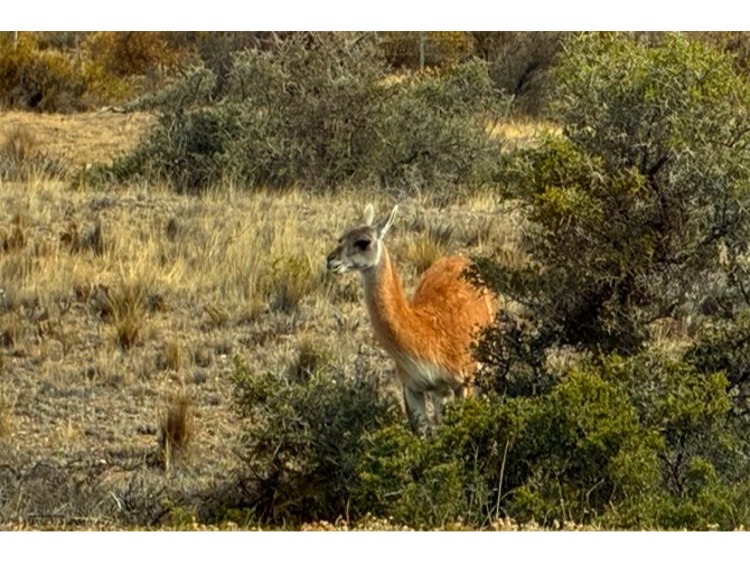
But don’t let the barren look fool you; the land is teeming with life. As you navigate the gravel roads, you will inevitably spot groups of guanacos (the elegant, wild relatives of the llama), flightless choiques (Darwin’s rheas) darting across the plains, and Patagonian maras (giant hares that look like a cross between a deer and a rabbit) bounding through the brush.
Puerto Pirámides: The Gateway to the Giants
Your main base on the peninsula itself is Puerto Pirámides, the only real village in the reserve. It’s a charming, laid-back eco-hamlet tucked neatly between towering, pyramid-shaped cliffs and the calm waters of the Golfo Nuevo.
Puerto Pirámides is world-famous for one thing above all else: Southern Right Whales.
Every year between June and December, these gentle giants migrate to the sheltered, quiet bays of the peninsula to mate and give birth. Stepping onto a boat here is an exercise in pure wonder. The whales are incredibly curious and frequently approach the vessels. Seeing a massive, barnacle-crusted head spy-hopping just a few feet away, or watching a 40-ton mother glide protectively alongside her newborn calf, is a humbling, lump-in-your-throat experience.
Caleta Valdés and Punta Norte: The Wild Coast
Leaving the village and heading toward the outer edges of the peninsula, the roads turn to rugged gravel, leading you to massive coastal colonies.
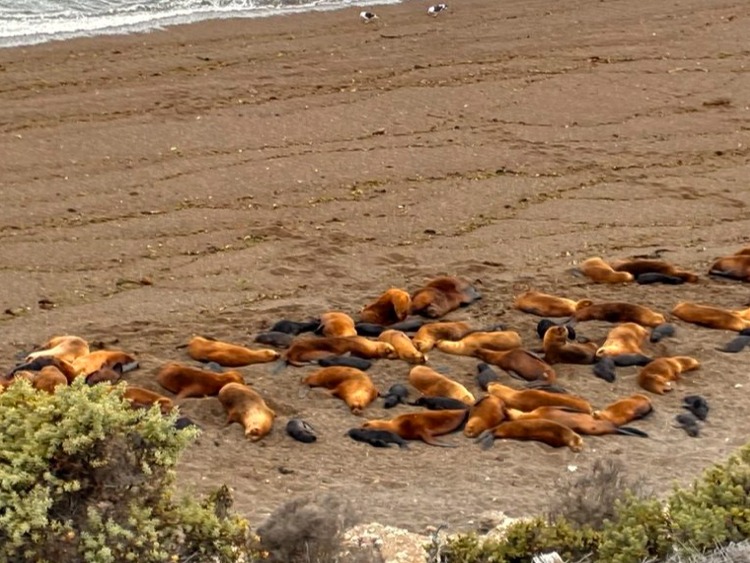
- Caleta Valdés: A 35-kilometer (21-mile) long strip of land creating a protected, calm lagoon. From the high viewpoints along the cliffs, you can look down at massive colonies of Southern Elephant Seals lounging on the pebble beaches. The males are absolute titans, weighing up to several tons and bellowing at one another to defend their territory.
- Punta Norte: This is perhaps the most famous edge of the peninsula, and for a thrillingly dramatic reason. Punta Norte is home to a resident pod of Orcas (Killer Whales) that have developed a hunting technique found nowhere else on earth. During high tide, these apex predators will intentionally beach themselves on the shore to grab unsuspecting sea lion pups before wriggling back into the surf.
Waddling Wonders: The Magellanic Penguins
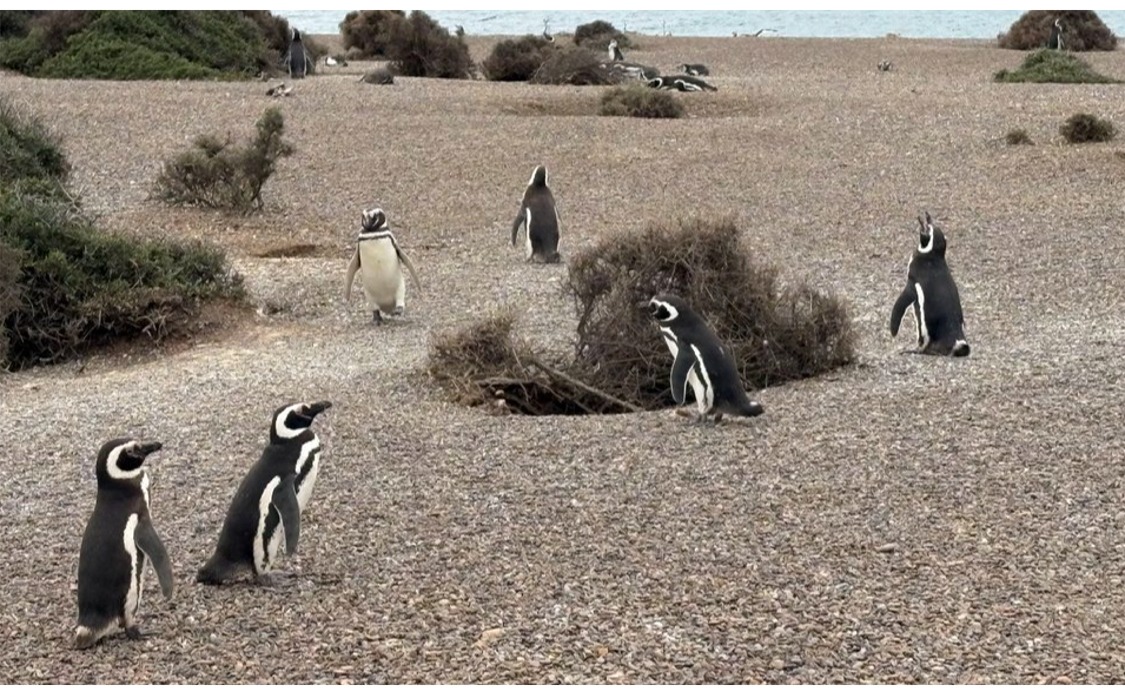
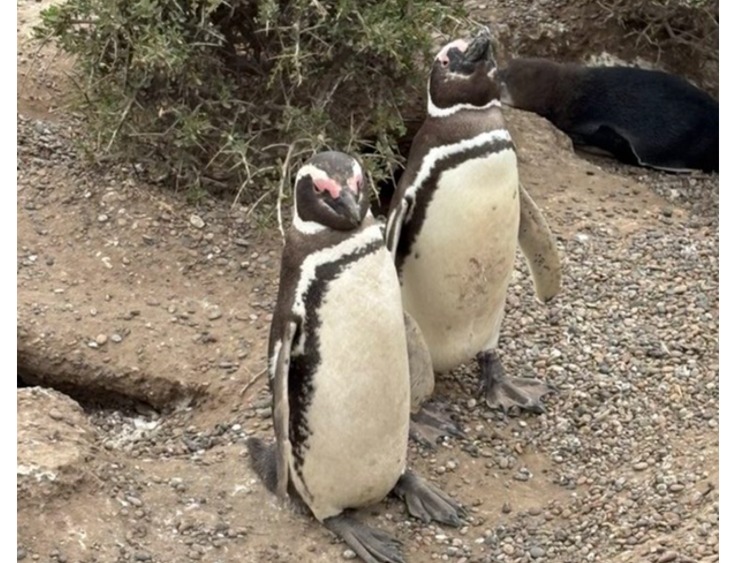
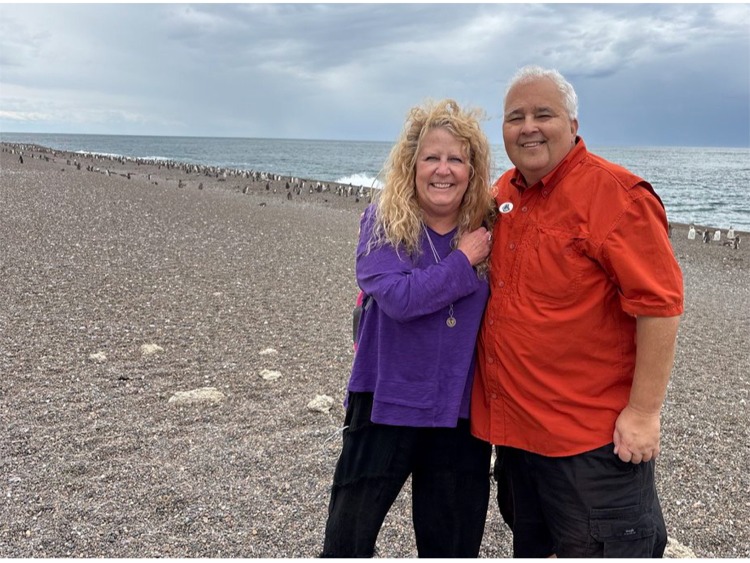
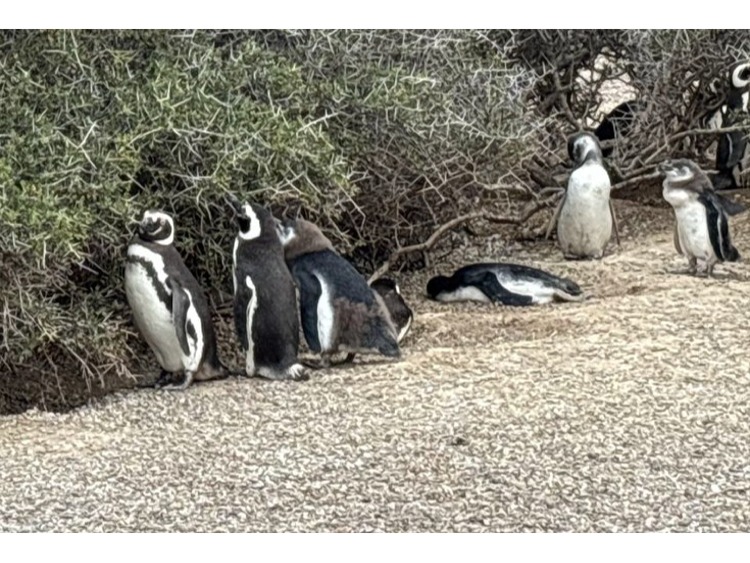
No trip to Península Valdés is complete without saying hello to its feathered residents. Between September and March, hundreds of thousands of Magellanic Penguins arrive on these shores to build burrows, lay eggs, and raise their chicks.
While the massive colony at Punta Tombo lies a few hours to the south, the peninsula itself hosts spectacular rookeries, such as the one at Estancia San Lorenzo. Walking along the designated pathways here means sharing the road with these charismatic little creatures as they waddle back and forth from the ocean, braying like donkeys and fiercely guarding their nests.
Península Valdés isn’t about luxury resorts or high-paced itineraries. It is a place to wear a good windbreaker, hold your breath as a whale breathes out a misty plume, watch penguins dig out a burrow, or marvel at the expanse of the terrain, and remember just how wildly beautiful our planet can be.


Pingback: HAL ms Noordam – Silver Haired Gypsies