There is a distinct, unhurried cadence to Montevideo that effortlessly sets it apart from its high-octane neighbor, Buenos Aires, just across the river. Uruguay’s capital doesn’t demand your attention with flashing lights or frantic energy; instead, it invites you to slow down, match its gentle stride, and explore on foot.
A perfect day here is a study in contrasts—weaving through crumbling colonial charm, striking Art Deco masterpieces, and the vast, breezy expanse of the coastline. Put on some comfortable shoes and grab a thermos of mate. This is what it’s like to walk through the heart of Montevideo.
The Gateway: Plaza Independencia to Ciudad Vieja
The journey begins at Plaza Independencia, the bustling threshold where the energetic, modern downtown meets the storied past of the old city. Standing tall in the center is the massive equestrian statue of José Gervasio Artigas, the father of Uruguayan independence, guarding his underground mausoleum.
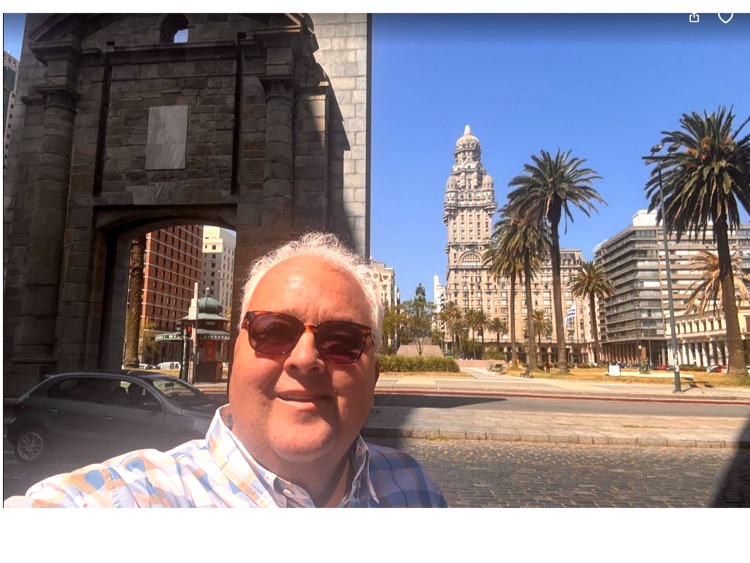
But the real showstopper here is the Palacio Salvo. Rising up like a beautiful, eccentric steampunk tower, this 1920s icon was once the tallest building in South America. Its mash-up of Gothic, Neo-Romantic, and eclectic styles looks like something straight out of a dream.
Leaving the plaza, pass through the Puerta de la Ciudadela—a stone gateway that is one of the few surviving remnants of the massive citadel wall that once protected the city from invaders.
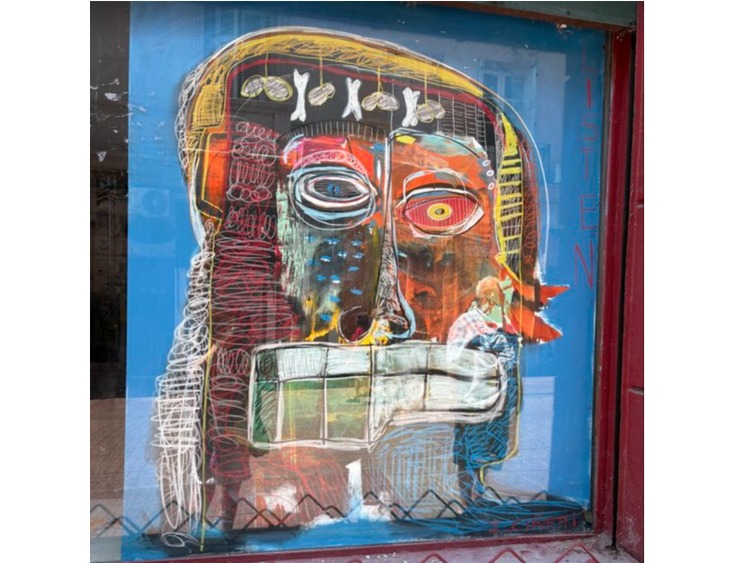
Stepping through the archway into Ciudad Vieja (the Old City) feels like stepping back in time. Walking down the pedestrian-only Peatonal Sarandí, the air carries a mix of salty sea breeze and the enticing aroma of roasting coffee. The streets here are lined with an incredible density of beautifully preserved Art Deco facades, antique street lamps, and colorful murals.
Quick Stops in the Old City:
- Plaza Matriz: The city’s oldest square, anchored by the gorgeous Montevideo Metropolitan Cathedral and a stunning marble fountain.
- Teatro Solís: Just off the main path, this majestic performing arts theater opened in 1856 and still stands as a beacon of Uruguayan culture.
Midday Magic: Mercado del Puerto
Following Sarandí all the way toward the water leads straight to a Montevideo institution: the Mercado del Puerto.
Housed in a spectacular, soaring 19th-century wrought-iron structure originally shipped in from Liverpool, the market is no longer a traditional produce center. Today, it is the ultimate temple to the parrilla (Uruguayan barbecue).
The moment you step inside, your senses are overwhelmed by the rich, smoky haze of wood-fired grills. Chefs tend to massive iron grates loaded with sizzling cuts of beef, sweetbreads, and vegetables. Pull up a stool at one of the counter-style restaurants, order a classic cut of meat, and pair it with a glass of medio y medio—a local specialty drink blending sweet sparkling wine and dry white wine. It’s the perfect, hearty fuel for the rest of the walk.
Finding the Soul: Barrio Sur and the Candombe Beat
After a heavy lunch, it’s best to walk it off by heading south toward Barrio Sur. This neighborhood is the historic beating heart of Afro-Uruguayan culture.
Wandering down streets like Isla de Flores, the scenery shifts to brightly painted tenement buildings and striking street art depicting drums and dancers. This is the birthplace of Candombe, a hypnotic, drum-heavy music and dance rhythm that is central to Uruguayan identity.
If you happen to be walking through Barrio Sur on a weekend evening, you’ll likely hear the thunderous, echoing boom of the tambores (drums) before you see them. Locals gather to practice street rehearsals, letting the rhythm vibrate right through the pavement.
The Infinite Horizon: La Rambla
The perfect way to end a trek through Montevideo is by spilling out onto the Rambla.
Spanning over 22 kilometers (about 13.5 miles), this continuous coastal sidewalk is the longest of its kind in the world, hugging the vast, silver expanse of the Río de la Plata. The Rambla is more than just a sidewalk; it is the city’s communal living room.
As the afternoon sun begins to dip, the atmosphere becomes electric with local life. You’ll see runners, cyclists, fishermen casting lines over the sea wall, and groups of friends sitting on the ledge, laughing and passing around a gourd of yerba mate.
Find a spot on the stone wall near the Cubo del Sur, watch the sky turn brilliant shades of pink and gold over the water, and just breathe it in.
Montevideo isn’t a city of aggressive bucket lists. Its true magic lies in these simple, perfectly executed moments: the smell of woodsmoke, the steady beat of a drum, and the endless horizon of the river.


Pingback: HAL ms Noordam – Silver Haired Gypsies